

Penetration testing
-
The process begins with a thorough scoping phase, where our expert team collaborates closely with the client to define the scope, objectives, and specific systems to be tested. Following this, our skilled penetration testers employ a combination of automated and manual techniques to identify potential vulnerabilities in the client's infrastructure, applications, and network architecture. This phase involves conducting reconnaissance, vulnerability analysis, and threat modeling to simulate real-world attack scenarios. Once vulnerabilities are identified, our team systematically exploits them to assess the potential impact and likelihood of a successful breach. Throughout the testing process, clear communication with the client is maintained to ensure transparency and address any emerging concerns. After completing the testing phase, a detailed and actionable report is generated, providing the client with a comprehensive overview of the identified vulnerabilities, their potential impact, and recommendations for remediation.
-
Vulnerability scanning involves the systematic identification and assessment of potential weaknesses within a system, network, or application. This process is primarily automated, utilizing specialized tools to detect known vulnerabilities and misconfigurations. On the other hand, penetration testing is a more comprehensive and hands-on approach. It involves simulated attacks by ethical hackers to exploit identified vulnerabilities, providing a real-world perspective on the effectiveness of security measures. While vulnerability scanning is valuable for routine checks and continuous monitoring, penetration testing delves deeper, mimicking actual cyber threats and offering organizations a holistic understanding of their security posture.
-
A penetration testing report is a comprehensive document that encapsulates the findings, vulnerabilities, and recommendations resulting from a thorough assessment of an organization's information systems and networks. Typically, the report begins with an executive summary, providing a high-level overview of the security posture, followed by detailed technical findings, exploitation methods, and risk assessments. The report often includes a breakdown of identified vulnerabilities based on their severity, potential impact, and recommendations for mitigation. Additionally, it may outline the scope of the testing, methodologies employed, and the extent to which security controls were tested. The value for the client lies in gaining actionable insights into the weaknesses within their infrastructure, applications, or network, allowing them to proactively address and remediate vulnerabilities before malicious actors can exploit them. Ultimately, a penetration testing report empowers organizations to enhance their overall security posture, protect sensitive data, and fortify defenses against potential cyber threats.
Penetration testing, as a service within the cybersecurity industry, plays a pivotal role in identifying and mitigating vulnerabilities within an organization's digital infrastructure. Also known as ethical hacking, penetration testing simulates real-world cyber-attacks to evaluate the security posture of a system or network. This proactive approach enables businesses to identify weaknesses before malicious actors can exploit them, ultimately enhancing overall cybersecurity resilience.
The penetration testing process typically begins with reconnaissance, where ethical hackers gather information about the target system or network. This phase mimics the actions of potential attackers, providing a comprehensive understanding of the organization's attack surface. Subsequently, the testing team employs a variety of tools and techniques to exploit identified vulnerabilities, demonstrating the potential impact of a successful cyber-attack. This phase helps organizations assess the severity of vulnerabilities and prioritize remediation efforts based on the level of risk.
A key aspect of penetration testing lies in its ability to simulate real-world cyber threats comprehensively. By emulating the tactics, techniques, and procedures (TTPs) of actual adversaries, penetration testing goes beyond simple vulnerability scanning. This approach helps organizations not only discover vulnerabilities but also understand how they could be exploited in a real-world scenario. It provides valuable insights into potential attack vectors, allowing businesses to bolster their defenses and implement proactive security measures.
Furthermore, penetration testing aligns with compliance requirements and industry standards, making it an essential component of risk management and regulatory compliance strategies. Many regulatory frameworks, such as PCI DSS, HIPAA, and ISO 27001, mandate regular security assessments, including penetration testing, to ensure the protection of sensitive data and maintain a secure operational environment. Compliance with these standards not only safeguards critical assets but also fosters trust among stakeholders, clients, and regulatory bodies.
Penetration testing as a service is a proactive and strategic approach to cybersecurity, offering organizations a comprehensive understanding of their digital vulnerabilities. By simulating real-world cyber threats, ethical hackers assist in identifying and prioritizing security weaknesses, allowing businesses to fortify their defenses. Beyond mere compliance, penetration testing is a crucial component of risk management, helping organizations stay ahead of evolving cyber threats and demonstrating a commitment to maintaining a robust cybersecurity posture in an ever-changing digital landscape.

Vulnerability scanning
-
Our meticulous vulnerability scanning service is a multi-step process designed to comprehensively assess and fortify your digital defenses. First, we initiate a comprehensive discovery phase, mapping out your entire network, applications, and devices to identify potential entry points for cyber threats. Following this, our advanced scanning tools meticulously analyze your system's configurations and settings, pinpointing vulnerabilities that could be exploited. The results are then assessed by our team of skilled cybersecurity experts who classify and prioritize the identified vulnerabilities based on severity levels. A detailed report is generated, providing you with a clear overview of the risks and potential impacts. Our service goes beyond detection – we offer tailored, actionable recommendations for remediation, empowering your team to address vulnerabilities effectively. Lastly, we emphasize ongoing monitoring to adapt to evolving threats, ensuring that your organization remains resilient in the face of cyber challenges.
-
Our vulnerability scanning services are designed with a focus on swift yet thorough assessments. The duration of the scanning process depends on the size and complexity of your digital infrastructure. Typically, our skilled professionals work diligently to complete the vulnerability scanning service within a timeframe that aligns with your business needs. Our goal is to minimize any potential disruption while ensuring a meticulous examination of your network, applications, and devices. We prioritize timely delivery of detailed reports, enabling your organization to promptly address identified vulnerabilities and bolster its cyber defenses.
Vulnerability scanning as a service plays a pivotal role in the cybersecurity industry by offering a proactive approach to identifying and mitigating potential security threats within an organization's digital infrastructure. This service involves the systematic examination of networks, systems, and applications to uncover weaknesses that could be exploited by malicious actors. By outsourcing vulnerability scanning to specialized service providers, businesses can benefit from a comprehensive and regularly updated assessment of their security posture.
One key aspect of vulnerability scanning as a service is its ability to employ automated tools that systematically search for known vulnerabilities across various elements of an organization's IT environment. These tools conduct in-depth analyses of software, configurations, and network protocols to identify potential weaknesses. This automated approach not only saves time but also ensures a thorough examination, minimizing the chances of overlooking critical vulnerabilities. The continuous evolution of the threat landscape necessitates regular scanning to keep pace with emerging vulnerabilities and address them before they can be exploited.
Beyond automated tools, vulnerability scanning services often integrate human expertise to interpret scan results accurately. Security professionals can analyze findings in the context of the specific organizational environment, identifying false positives and prioritizing vulnerabilities based on their potential impact. This human touch adds a layer of nuanced understanding that is crucial for developing effective remediation strategies. It allows organizations to allocate resources efficiently, addressing the most critical vulnerabilities first and enhancing overall security resilience.
Vulnerability scanning as a service contributes to compliance efforts by helping organizations adhere to industry regulations and standards. Many sectors, such as finance and healthcare, have stringent requirements for securing sensitive data. Regular vulnerability assessments provide evidence of due diligence, demonstrating an organization's commitment to maintaining a secure environment. This not only helps in meeting compliance obligations but also enhances the organization's reputation and builds trust with customers and partners.
Vulnerability scanning as a service is a dynamic and indispensable component of modern cybersecurity strategies. Its automated tools and human expertise combine to provide organizations with a comprehensive understanding of their security vulnerabilities. By identifying and addressing weaknesses in a proactive manner, businesses can enhance their overall security posture, meet regulatory requirements, and mitigate the risks associated with potential cyber threats. The ongoing nature of vulnerability scanning ensures that organizations remain vigilant in the face of evolving security challenges, fostering a resilient cybersecurity ecosystem.
Malware analysis
-
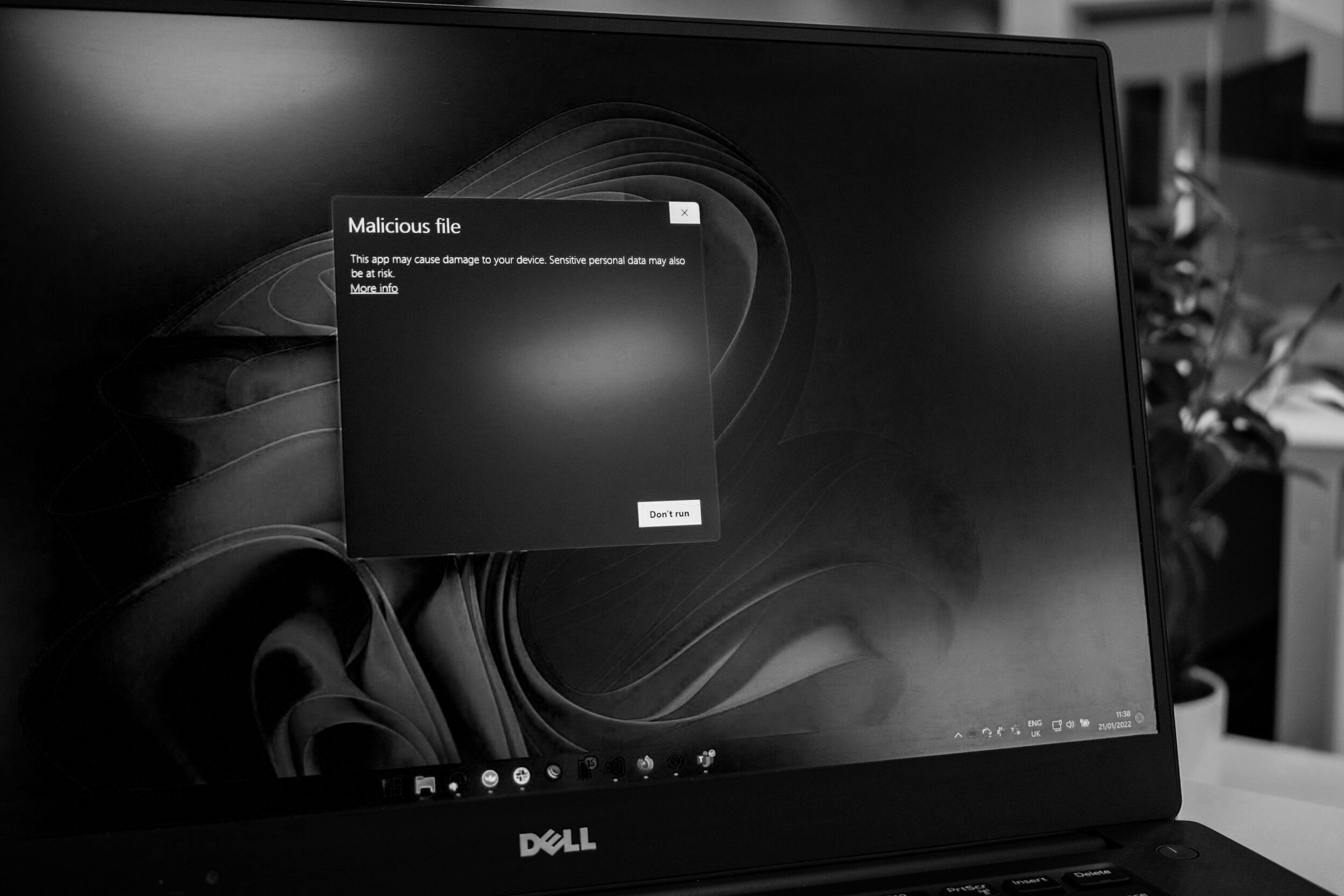
Our meticulous process begins with the acquisition of suspicious files or code, submitted by clients or detected during routine security scans. Leveraging cutting-edge technology and a team of seasoned analysts, we conduct an in-depth examination of the static characteristics of the potential malware. This involves scrutinizing file attributes, code structure, and embedded artifacts without executing the malicious code, ensuring a non-intrusive but thorough analysis. Our experts meticulously dissect the binary, examining its functionality and identifying patterns indicative of malicious intent.
-
Our meticulous process begins with the acquisition of suspicious files or URLs submitted by our clients. Upon receipt, our specialized team of cybersecurity experts initiates a comprehensive analysis, utilizing cutting-edge sandboxing environments to execute the potential malware in a controlled setting. This dynamic analysis allows us to observe and dissect the malware's behavior in real-time, unveiling its tactics, techniques, and procedures. Our advanced tools monitor the malicious code's interaction with the system, identifying any attempts to exploit vulnerabilities or evade traditional security measures. Post-execution, we generate an in-depth report that includes a detailed behavioral analysis, indicators of compromise, and actionable recommendations for mitigating the identified threats.
Malware analysis as a service plays a pivotal role in the cybersecurity industry, serving as a critical component in the ongoing battle against evolving cyber threats. This service involves the in-depth examination and dissection of malicious software to understand its functionality, behavior, and potential impact on systems. The primary objective is to provide organizations with valuable insights into the nature of the malware, aiding in the development of effective countermeasures and security strategies.
One key aspect of malware analysis as a service is its proactive nature. Rather than merely responding to cyber incidents, organizations can leverage this service to anticipate and mitigate potential threats. By dissecting malware specimens, cybersecurity professionals can identify patterns, techniques, and vulnerabilities exploited by malicious actors. This proactive approach enables organizations to fortify their defenses, implement targeted security measures, and develop tailored incident response plans to address specific types of threats.
Furthermore, malware analysis as a service encompasses both static and dynamic analysis methodologies. Static analysis involves the examination of the malware's code and structure without executing it, providing valuable insights into its characteristics and potential functionalities. Dynamic analysis, on the other hand, involves the execution of the malware in a controlled environment to observe its behavior in real-time. This combination of static and dynamic analyses ensures a comprehensive understanding of the malware, facilitating the creation of effective detection signatures and the development of robust defensive mechanisms.
Moreover, the scalability and efficiency of malware analysis as a service contribute significantly to its value proposition. Organizations can benefit from the expertise of dedicated cybersecurity professionals and advanced tools without the need for extensive in-house resources. This outsourcing of malware analysis allows businesses to focus on their core operations while maintaining a high level of cybersecurity preparedness. As threats continue to evolve, this service model ensures that organizations have access to up-to-date expertise and technologies to address emerging challenges effectively.
Malware analysis as a service is an indispensable component of modern cybersecurity strategies. Its proactive nature, encompassing both static and dynamic analysis, empowers organizations to stay ahead of cyber threats. The scalability and efficiency of this service model enable businesses to leverage specialized expertise and tools, ensuring robust protection against evolving malware landscapes. By embracing malware analysis as a service, organizations can enhance their overall cybersecurity posture and respond effectively to the dynamic and sophisticated nature of contemporary cyber threats.

Governance and strategic support
-
Risk Assessment service is a strategic cornerstone in fortifying your digital defenses against potential threats. Our thorough process is designed to comprehensively identify, evaluate, and mitigate risks across your entire organization. Step one involves a comprehensive review of your current cybersecurity policies, practices, and infrastructure to establish a baseline understanding of your security posture. We then conduct a detailed asset inventory, identifying critical systems and sensitive data. Moving on to step two, our experts perform a threat assessment, analyzing potential vulnerabilities and the likelihood of exploitation. In step three, we evaluate the potential impact of identified risks on your business operations and data integrity. Following this, we assign risk scores to prioritize and address the most critical threats. In the final step, we provide a comprehensive report outlining identified risks, their potential impact, and actionable recommendations to bolster your cybersecurity posture.
-
We pride ourselves on delivering unparalleled cybersecurity solutions that align seamlessly with industry standards, ensuring the highest level of protection for our clients. Our process begins with a thorough assessment of your organization's specific industry requirements, compliance mandates, and best practices. We then tailor our cybersecurity strategies to align with globally recognized standards such as ISO 27001, NIST, GDPR, and more. Our expert team conducts a comprehensive gap analysis to identify any deviations from these standards within your current security posture. Subsequently, we implement customized solutions to bridge these gaps, deploying cutting-edge technologies and robust protocols. Through continuous monitoring and periodic audits, we guarantee that your cybersecurity measures remain in strict conformity with the ever-evolving landscape of industry standards.
At Sectreme, our Governance and Strategic Support Service is designed to fortify your organization's cybersecurity posture from the top down. Our comprehensive process begins with an initial assessment of your current governance framework, policies, and procedures. We work closely with your leadership team to understand your business objectives, compliance requirements, and risk tolerance. Leveraging this information, we develop a tailored cybersecurity governance strategy that aligns seamlessly with your overall business goals. Our experts then assist in implementing robust policies and procedures, ensuring compliance with industry standards and regulations. We provide ongoing support through regular reviews, updates, and strategic consultations, adapting to the evolving threat landscape and organizational changes. By choosing Sectreme, you not only enhance your cybersecurity governance but also gain a strategic partner committed to safeguarding your business interests through proactive and adaptive cybersecurity measures.